

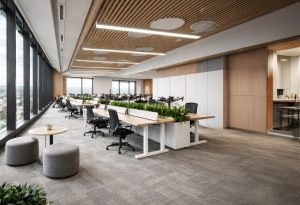
Melbourne Businesses Are Reimagining Their Workplaces
Melbourne businesses are investing in office refurbishments in 2026 for one simple reason: the workplace has changed.
Hybrid work, rising occupancy costs, employee expectations, and evolving technology have transformed what businesses need from their office environment. Many workplaces that were designed five or ten years ago no longer support how teams collaborate, communicate, and operate today.
Rather than relocating to a new premises, many organisations are choosing to improve the office they already have through strategic refurbishment projects that increase functionality, improve employee experience, and maximise the value of existing space.
For businesses looking to support growth while controlling costs, office refurbishment is increasingly viewed as a practical business investment rather than simply an aesthetic upgrade.
Why Are More Melbourne Businesses Refurbishing Their Offices?
The primary reason is that workplace expectations have evolved faster than many office environments.
Modern businesses need workplaces that support:
- Hybrid work arrangements
- Collaboration and teamwork
- Employee wellbeing
- Flexible use of space
- Technology integration
- Sustainable business practices
Many existing offices were designed for a different style of work, with rows of fixed desks, limited collaboration areas, and technology that no longer supports modern operational requirements.
A well-planned refurbishment allows businesses to adapt without the disruption and cost of relocating.
1. Hybrid Work Has Changed How Offices Function
Perhaps the biggest driver behind office refurbishment projects in Melbourne is the continued evolution of hybrid work.
Most businesses no longer require every employee to be in the office five days a week. As a result, traditional office layouts often leave large areas underutilised while failing to provide spaces employees actually need when they come into the workplace.
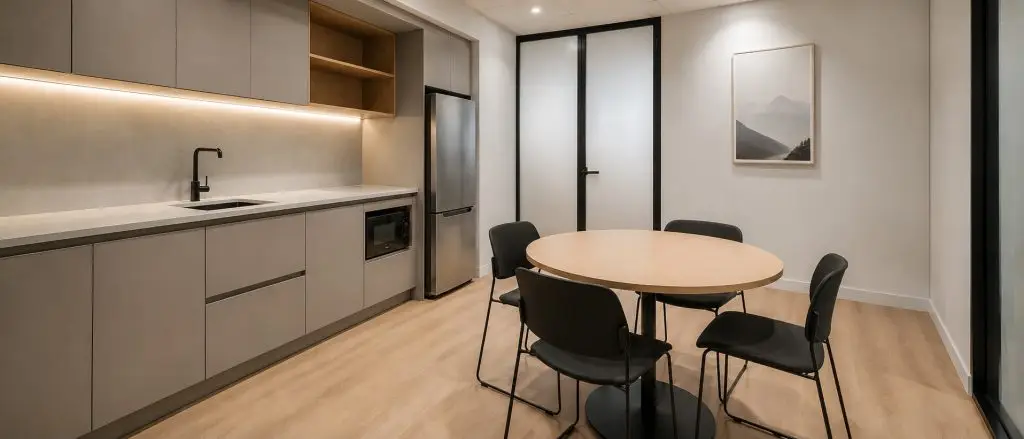
Modern office refurbishments frequently introduce:
- Flexible workstations
- Shared desk environments
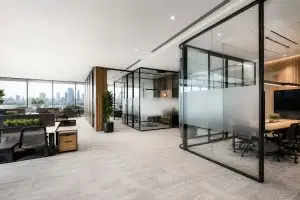
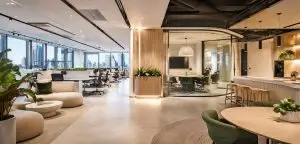
- Collaboration zones
- Video conferencing facilities
- Quiet focus areas
- Multi-purpose meeting spaces
These changes help businesses create workplaces that support both in-office and remote employees while improving the overall workplace experience.
2. Businesses Are Looking to Get More Value from Existing Space
Commercial office space remains one of the largest operational expenses for many organisations.
Rather than increasing their footprint, many businesses are evaluating how effectively their current workplace is being used.
Common issues include:
- Underutilised meeting rooms
- Oversized desk areas
- Inefficient workflows
- Poor space allocation
- Storage consuming valuable floor space
A refurbishment can often unlock significant improvements in functionality without requiring additional premises.
In many cases, better workplace design can create the feeling of a larger office without increasing rent or occupancy costs.
3. Employee Experience Has Become a Competitive Advantage
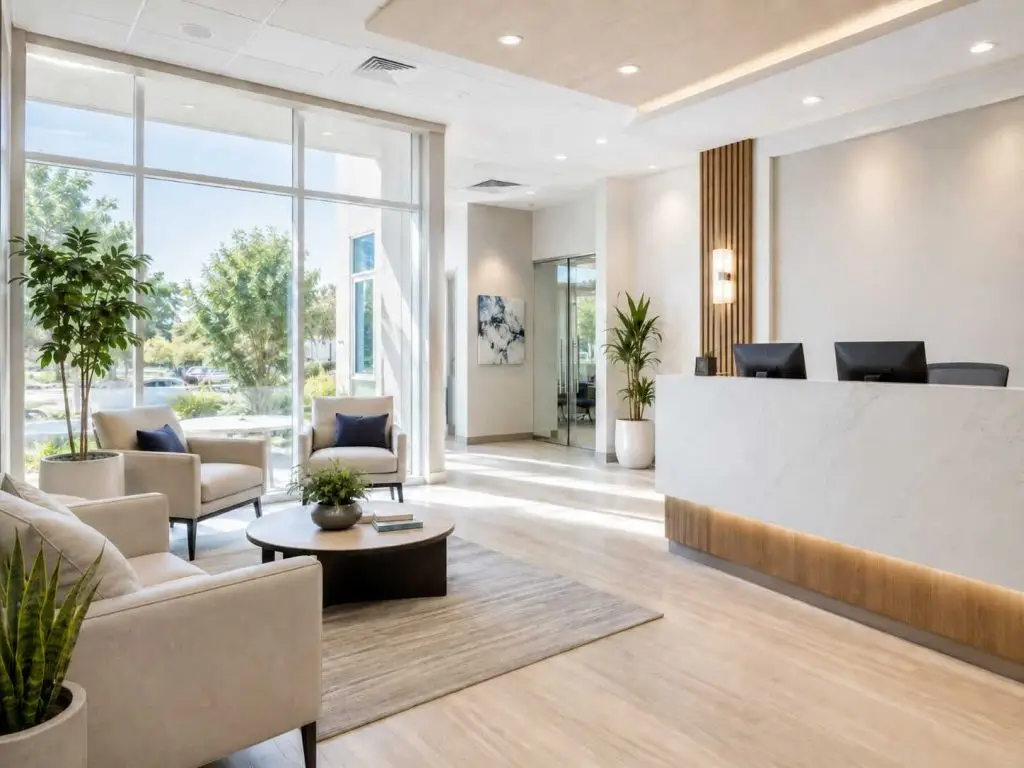
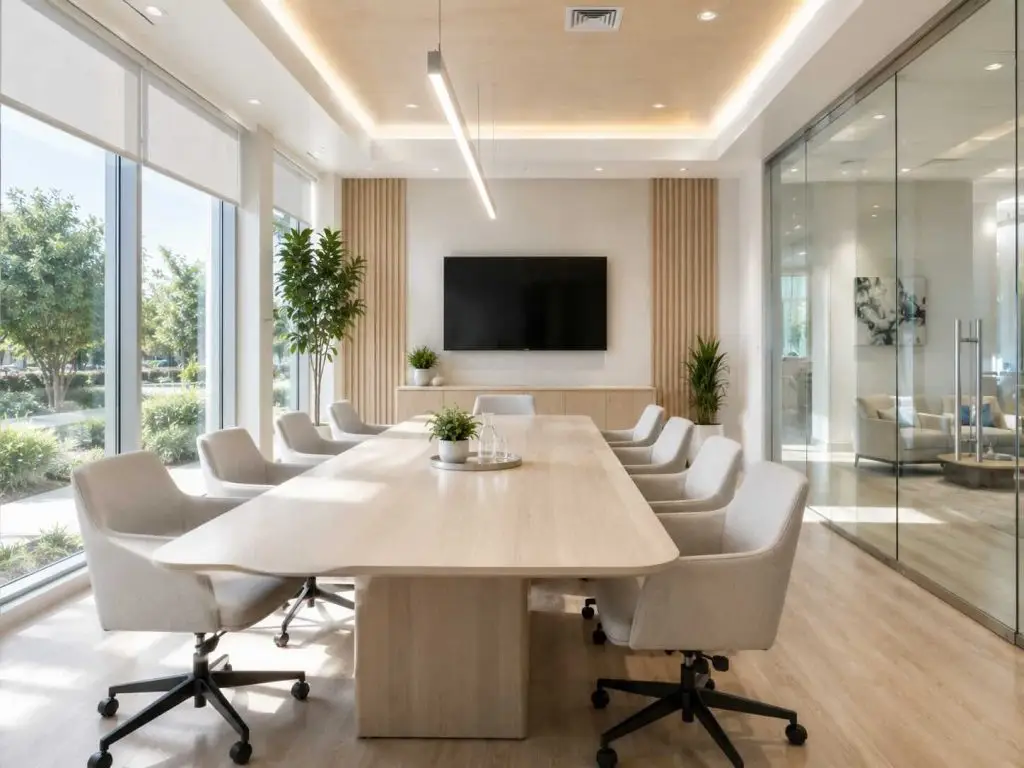
The workplace plays an increasingly important role in attracting and retaining talented employees.
Today’s workforce expects more than a desk and a chair.
Employees increasingly value:
- Comfortable work environments
- Natural light
- Flexible work settings
- Breakout spaces
- Collaboration opportunities
- Modern amenities
Businesses that invest in workplace quality often find it easier to attract talent, improve engagement, and strengthen company culture.
An office refurbishment provides an opportunity to create an environment that employees genuinely want to work in.
4. Businesses Want Their Workplace to Reflect Their Brand
For many organisations, the office serves as an extension of the brand itself.
Clients, suppliers, partners, and prospective employees all form impressions based on the workplace environment.
An outdated office can unintentionally communicate:
- Lack of innovation
- Limited growth
- Poor attention to detail
- Reduced professionalism
A modern, well-designed workplace helps reinforce credibility, professionalism, and confidence in the business.
This is particularly important for organisations that regularly host meetings, presentations, consultations, or client visits.
5. Sustainability Is Influencing Workplace Decisions
Sustainability continues to influence business planning across Melbourne.
Many refurbishment projects now incorporate:
- Energy-efficient lighting
- Smart building controls
- Sustainable materials
- Improved insulation
- Energy-efficient HVAC systems
These upgrades can help reduce operating costs while supporting environmental goals and improving workplace comfort.
For many organisations, sustainability is no longer simply a corporate responsibility initiative—it has become a practical business consideration.
Office Refurbishment vs Relocation: Which Makes More Sense?
When workplace requirements change, businesses often face two options:
- Refurbish the existing office.
- Relocate to a new premises.
For many organisations, refurbishment offers several advantages.
Office Refurbishment | Office Relocation |
Retains existing location | Requires moving premises |
Often less disruptive | Significant operational disruption |
Can be staged over time | Usually requires a full transition |
Preserves existing infrastructure | Requires re-establishment of facilities |
May retain favourable lease arrangements | Often involves new lease negotiations |
While relocation may be necessary in some situations, refurbishment often delivers many of the same benefits while reducing disruption and preserving operational continuity.
Signs Your Office May Need Refurbishment
Many organisations wait too long before reviewing their workplace.
Common warning signs include:
- The office no longer supports hybrid work
- Meeting rooms are constantly unavailable
- Staff regularly complain about the workspace
- The office feels dated compared to competitors
- Technology infrastructure is limiting productivity
- Teams struggle to collaborate effectively
- Growth is being restricted by the current layout
- The workplace no longer reflects the business brand
Recognising these issues early allows businesses to plan strategically rather than reacting when problems become more significant.
How Much Does an Office Refurbishment Cost in Melbourne?
One of the most common questions business owners ask is how much a refurbishment will cost.
The answer depends on factors such as:
- Office size
- Existing building condition
- Scope of works
- Design requirements
- Technology upgrades
- Furniture requirements
- Compliance considerations
Rather than focusing solely on project cost, many businesses evaluate refurbishment based on long-term business outcomes.
Potential benefits include:
- Improved productivity
- Better space utilisation
- Increased employee satisfaction
- Stronger staff retention
- Enhanced client perception
- Reduced operational inefficiencies
The most successful refurbishment projects are designed around business objectives rather than aesthetics alone.
Planning a Successful Office Refurbishment
Before commencing a refurbishment project, businesses should establish clear objectives.
Key questions to consider include:
What Business Outcomes Are You Trying to Achieve?
Examples may include:
- Supporting growth
- Improving collaboration
- Accommodating hybrid work
- Strengthening brand presentation
- Improving employee wellbeing
How Is Your Existing Space Being Used?
Understanding how employees currently use the workplace often reveals opportunities for improvement.
What Will Your Workplace Need in Five Years?
A refurbishment should support future business requirements, not just current challenges.
Considering future growth, technology changes, and workforce expectations can help maximise the lifespan of the investment.
Frequently Asked Questions
1. Why are Melbourne businesses refurbishing offices instead of relocating?
2. Is office refurbishment worth it for hybrid workplaces?
3. What is included in an office refurbishment?
4. How long does an office refurbishment take?
5. Can a refurbishment be completed while staff remain on-site?
Final Thoughts
For Melbourne businesses looking to improve their current workplace without the cost and disruption of relocating, office refurbishment can be a practical way to create a more functional, flexible and professional environment. Infinite Interiors works with businesses across Melbourne to plan and deliver commercial office refurbishments that support the way their teams work now and into the future.
If your office no longer suits how your team works, get in touch with Infinite Interiors to discuss your refurbishment project.